Owning a home in Rigby ID means living with wide skies, heavy winter snows some years, and spring runoff that can test even the best gutters. A healthy gutter system protects foundations, prevents basement seepage, and preserves siding and landscaping. Budgeting for gutter services is not just about the initial price of installation. It is a series of small decisions that compound over time: material choices, labor, maintenance, seasonal cleanings, and the rare repair after a storm. The numbers below are practical, drawn from experience working with local contractors and homeowners, and shaped to help you make decisions that protect value while controlling ongoing costs.
Why this matters A failing gutter is rarely dramatic at first. A slow leak, sagging section, or overflowing corner shows up as a stain or damp patch, then it costs time and money to fix. Budgeting ahead avoids emergency repairs that cost two to three times scheduled work, and lowers long-term expenses by extending the useful life of your gutters and roofline.
Read this with your house in mind This guide treats a typical single-family home in Rigby ID, Visit this website not a commercial property. If your roofline has multiple levels, turrets, or expansive eaves, expect higher labor costs. I include cost ranges rather than hard quotes because material prices and labor vary seasonally. The goal is to give you a defensible planning figure and a checklist to discuss with a contractor, whether that contractor is Mighty Moose Gutter Services or another local team.
Assess your starting point: inspection first Before you set a budget, get a clear picture of the current system. Walk the perimeter after a rain to see where water pours over the edges. Look for paint failure, rotted fascia, or rust. From the ground, note any visible separations at seams and the slope of the gutter toward downspouts. If you climb, use proper safety and a spotter. A professional inspection, typically $75 to $150 in this area or included with a quote, will reveal whether you need repairs, partial replacement, or full replacement.
What influences cost Material choice is the largest controllable variable. Labor follows, and then extras like gutter guards, downspout extensions, and fascia repairs. Location matters too. Rigby ID sees freeze-thaw cycles that make water expand in seams, so seamless gutters or higher-quality seams reduce long-term maintenance.
Materials and what they cost you over time Aluminum. Lightweight, resists rust, available in many colors. Typical lifespan 20 to 30 years with proper maintenance. Initial cost per linear foot is generally lower than steel, and it is the most common choice in the region. Expect competitive pricing for both sectional and seamless aluminum.
Steel. Heavier and stronger, but susceptible to rust unless coated. Good for homeowners who want a sturdier feel and are willing to repaint or replace more frequently in coastal or high-humidity areas. Not my first recommendation for Rigby unless you have specific reasons.
Copper. Attractive and long lasting, copper develops a patina and can last a century. It is expensive, often two to three times the cost of aluminum, and it requires skilled installers. Choose copper as an investment in aesthetics and longevity, not to save money.
Vinyl. Cheapest upfront, but becomes brittle with prolonged sun exposure and can sag. In Rigby, temperature swings can reduce vinyl performance. Consider vinyl only for short-term solutions or sheds.
Seamless versus sectional Seamless gutters are formed on-site from a single piece of material. The reduction in seams decreases leaks and maintenance needs. They typically cost more up front because of equipment and labor, but they often pay back in reduced repair costs and longer effective life. Sectional gutters are made of smaller pieces nailed together and are cheaper initially but require more seam maintenance.
Labor, access, and roof complexity Labor is roughly a function of time on the job and the risk of working at height. Single-story homes with clear access are the lowest cost. Two-story homes, steep roofs, or odd angles push labor higher. If the contractor needs additional safety equipment, scaffolding, or special rigging, factor that in. Expect labor premiums for weekend emergency calls or for work undertaken during busy fall months.
Typical budget buckets and sample numbers Below is a practical framing to help you allocate dollars. These are ranges, not guarantees. Use them to create a budget that fits your appetite for upfront payment versus long-term maintenance.
Checklist to set your budget
- inspection and diagnostic fee: $0 to $150 depending on contractor policy repair work for small issues: $100 to $500 typical; more if fascia or roof framing is damaged full replacement with aluminum seamless gutters: $3 to $8 per linear foot installed, depending on complexity gutter guards added at time of installation: $2 to $7 per linear foot, depending on type premium materials like copper: $10 to $25 per linear foot installed
How to read and compare estimates Gutter Services in Rigby ID When you call three companies, you should not only compare the bottom-line number. Look for the same scope: are downspouts included, how many laborers, is debris disposal included, and what warranties apply. Some contractors like Mighty Moose Gutter Services include a workmanship warranty plus a materials warranty from the manufacturer. Ask how they handle hidden issues, such as rotten fascia discovered once the gutters come off. A low bid that excludes fascia repairs can balloon once work starts.
Warranties, warranties, warranties A written warranty protects you against premature failure. Typical warranty types are manufacturer material warranties and contractor workmanship warranties. Material warranties vary by metal and finish. Workmanship warranties are typically one to five years. Ask specifically whether the contractor will return to fix issues at no charge if seams fail or hangers pull out. Also ask if warranties are transferable to a future homeowner, which can increase resale value.
Gutter guards and their trade-offs Gutter guards reduce the frequency of cleanings, but they do not eliminate maintenance. There are mesh screens, reverse-curve guards, and foam inserts. Mesh screens keep out leaves but can clog with pine needles and small granules over time. Reverse-curve systems can be noisy in heavy rain and sometimes divert water incorrectly if not sized properly. Foam inserts reduce clogs but can trap fine sediment and require periodic flushing. In Rigby, with the seasonal leaf load and snow, I typically recommend a high-quality mesh screen or micro-mesh for homeowners who want less frequent cleanings but still want dependable flow in heavy runoff.
Maintenance scheduling and cost smoothing Plan for at least one professional gutter cleaning per year, more if you have many trees. After a big pine-needle fall or major summer storm, a second cleaning may be prudent. Professional cleaning in the area often runs between $100 and $250 for an average single-story home, more for two-story. Adding a recurring maintenance contract can reduce per-visit costs and keep small problems from becoming costly repairs. Budget tip: spread the cost by prepaying an annual maintenance contract in spring and set aside a small annual reserve for unexpected repairs, roughly 1 to 2 percent of your roof and gutter replacement cost.
Examples from the field A friend in South Rigby replaced 120 linear feet of aluminum seamless gutters with a mid-tier finish, added two downspouts, and had minimal fascia repair. The final invoice was about $900, which fell in the low end because of easy access and a single-story roofline. By contrast, a local contractor I worked with installed 180 linear feet on a two-story home with roof complexity and required fascia replacement on the north side. That job was about $2,700. Both homeowners chose micro-mesh guards in addition, which added roughly $700 to $1,000 to their totals. Those examples show how linear footage and complexity scale the price.
When to repair rather than replace Repair makes sense when the system is mostly functional, with isolated leaks, a few loose hangers, or minor rust spots. Repairs are cheaper short term, but if more than 30 percent of your gutters are damaged or you must frequently repair seams and downspouts, replacement becomes more economical. Also replace if your gutter profile has a poor capacity for the roof area it serves. For heavy roof areas, especially on homes with metal roofs that shed snow, upsizing to a K-style gutter with larger capacity can prevent recurring overflow.
Financing and payment options Many reputable gutter contractors offer financing or payment plans for larger projects. If you are planning a whole-house replacement that runs several thousand dollars, low-interest financing can make sense. Check payback timelines and total cost. Some homeowners choose to pay out of savings to avoid finance charges. If you expect to sell within a few years, prioritize solutions that transfer warranties and improve curb appeal, since those investments may show up in quicker sales or higher offers.
Seasonal timing and saving money Fall is the busiest season, which can raise labor costs and limit scheduling. Early spring or late summer often offers better availability and sometimes lower prices. If you can schedule installation before the fall leaf drop, you will also enjoy a season of protection without immediate maintenance. Another money-saving tactic is to coordinate gutter work with other exterior projects. If you are repainting fascia or replacing siding, do the roofing and gutter work at the same time. Contractors can share scaffolding or access costs.
How to negotiate without sacrificing quality Start by comparing apples to apples in written estimates. Ask for a breakdown of material, labor, and additional fees. If a bid is lower by a wide margin, ask why. Sometimes lower bids use thinner material, exclude proper fasteners, or lack adequate warranty. Request references and view recent local work. Contractors who are active in Rigby ID will welcome the chance to show recent installations and provide a clear maintenance plan. If you want to lower the price, consider keeping your existing downspouts if they are in good shape, or agree to a longer timeline for completion when contractors are less busy.
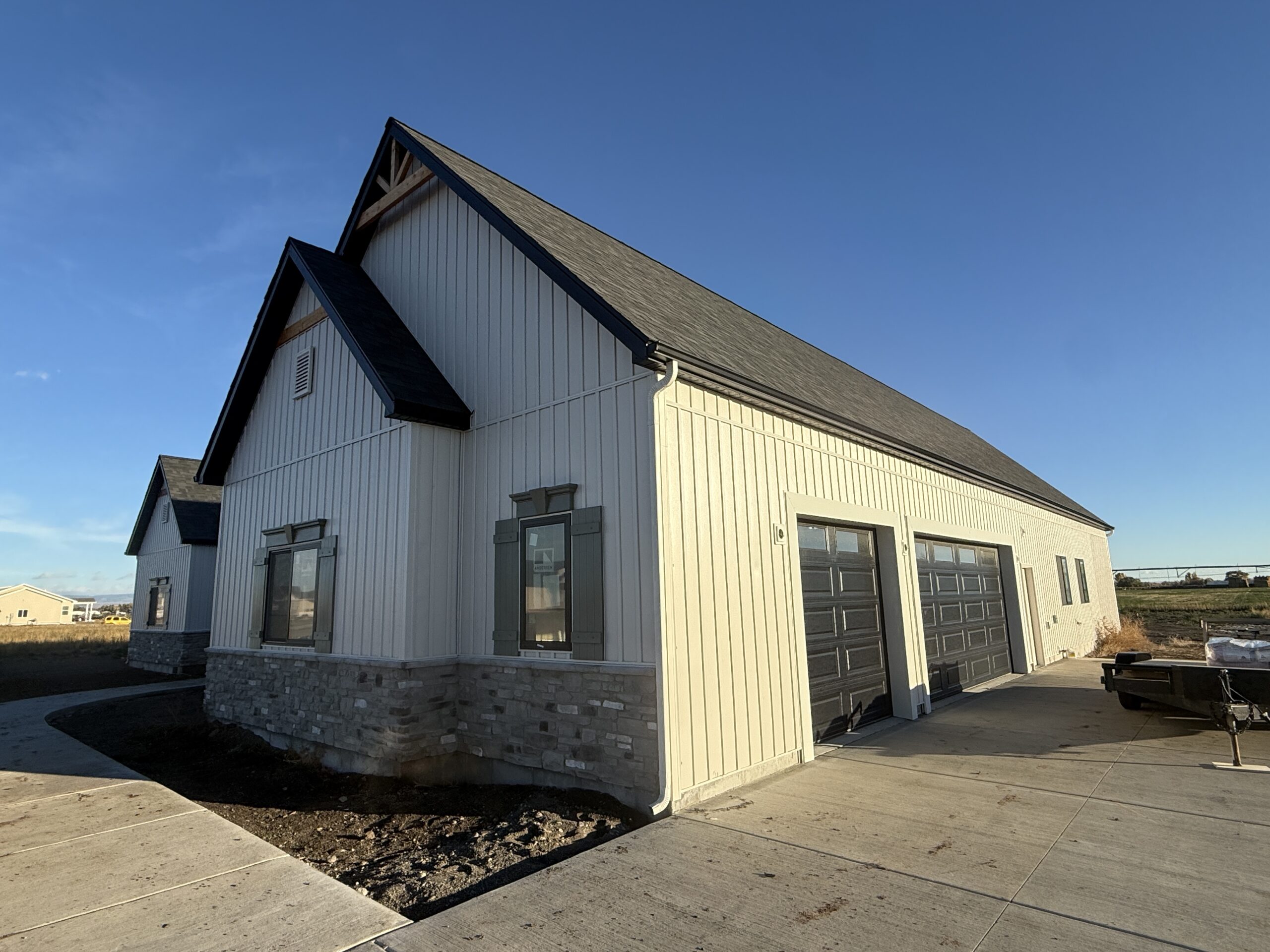
When storms cause damage: emergency planning Rigby can have sudden weather events that damage gutters. If a tree limb tears a section off, prioritize temporary measures to prevent water intrusion. Ask your contractor if they offer emergency tarping or temporary reattachment. Insurers sometimes cover storm-related gutter damage, but policies vary. Document damage with photos, get a contractor estimate, and present both to your insurer early. Even if insurance pays, you will still want a contractor who will coordinate repairs and meet insurer requirements.
Choosing a contractor Look for licensing where required, local references, clear written warranties, and proof of insurance. A contractor who uses proper fasteners, attaches hangers directly into fascia or rafter tails rather than just trim, and who explains downspout placement to route water away from the foundation deserves higher confidence. If Mighty Moose Gutter Services appears in your search, ask about their local experience, warranty details, and whether they offer maintenance plans. The best contractor will explain cost trade-offs clearly rather than give a single bottom-line price.
A simple plan to get started this month First, walk your house and take notes about problem areas and the roofline length. Second, schedule an inspection with two or three local contractors and request written estimates that break down materials and labor. Third, compare warranty terms and ask for references. Fourth, choose a timeline and payment plan that fits your household budget and aligns with off-peak seasons if a lower price is desirable. Finally, set an annual maintenance reserve in your budget to avoid surprise bills.
Final budgeting snapshot For a typical single-story home in Rigby ID with 120 to 160 linear feet, expect a realistic budget range of $1,000 to $3,500 for replacement with mid-grade aluminum seamless gutters, including basic downspouts and modest fascia repair. Add $500 to $1,000 for micro-mesh guards. Reserve $100 to $250 annually for cleaning, and set aside a 1 to 2 percent reserve of replacement cost for unexpected repairs. Use that framework to make trade-offs between upfront expense and future maintenance.
Protecting value and peace of mind A well-planned gutter budget is a small fraction of a home's value, but it saves time, frustration, and larger repair bills over the long run. Spend the time to compare scope, warranties, and contractor reliability. When you budget realistically, you protect the parts of your house that are out of sight until they become expensive problems. A modest upfront investment in quality materials and proper installation preserves your roofline, foundation, and landscape for years to come.
Mighty Moose Gutter Services
243 N 2nd W Rigby ID 83442, United States
+1 (208) 270-4423
[email protected]
Website: https://mightymoosegutter.com